
Pizza is more than just food, it’s a culinary art form that has captivated taste buds worldwide. Whether you’re a home pizza enthusiast or simply curious about the secrets behind the perfect slice, you’ve come to the right place.
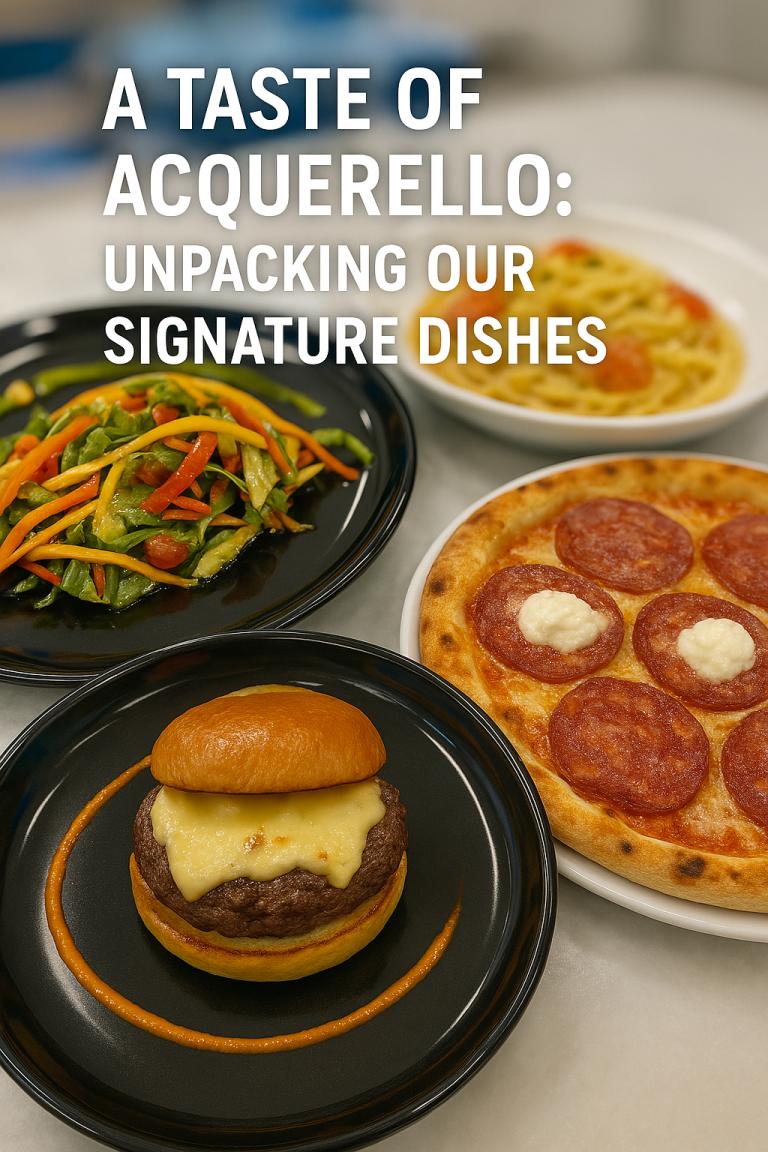
At Acquerello Restaurant, our authentic wood-fired oven and traditional Italian techniques have taught us everything there is to know about creating exceptional pizza.
From proper topping techniques to oven temperatures, we’ve compiled answers to the most frequently asked questions about pizza. Let our expertise guide you through the wonderful world of pizza making.
How many degrees does pizza need in the oven?
The ideal temperature for pizza depends on your oven type. Traditional wood-fired ovens, like ours at Acquerello, reach temperatures exceeding 400°C (752°F), allowing pizza to cook in under 90 seconds. For home ovens, set your temperature as high as possible—typically 250-300°C (480-570°F). The high heat creates the perfect balance between a crispy crust and properly melted toppings.
What is the best way to top a pizza?
The secret to perfect pizza topping lies in the layering order and balance. Start with a thin layer of sauce (about 2-3 tablespoons per pizza), followed by cheese, then your chosen toppings. Less is more, overloading leads to soggy crusts. At Acquerello, we believe each ingredient should complement, not compete with, the others.
What are the most popular pizza toppings?
Globally, the most beloved pizza toppings include pepperoni, mushrooms, Italian sausage, bell peppers, and olives. However, preferences vary by region. In Italy, classics like Margherita (tomato, mozzarella, basil) and Marinara (tomato, garlic, oregano) remain favorites. The key is using high-quality, fresh ingredients that honor traditional Italian flavors.
In what order do you correctly top a pizza?
The proper layering sequence is crucial for even cooking:
- Pizza dough base
- Thin layer of tomato sauce (leaving a border for the crust)
- Cheese (mozzarella or your preferred variety)
- Meat toppings
- Vegetables
- Herbs and seasonings
- A drizzle of olive oil (optional)
Which cheese goes on pizza?
Mozzarella is the gold standard for pizza cheese due to its excellent melting properties and mild flavor. For authentic Italian pizza, use fresh mozzarella di bufala or fior di latte. Other excellent options include Parmigiano-Reggiano for added sharpness, Gorgonzola for richness, or a blend of Italian cheeses. The key is choosing cheeses that melt well and complement your other toppings.
Does pizza cook better with fan-assisted or top-bottom heat?
For home ovens, bottom heat (or conventional heating) typically works better for pizza. This method helps achieve a crispier bottom crust. If using fan-assisted (convection), reduce the temperature by about 20°C as the circulating air cooks more efficiently. However, nothing compares to the even, intense heat distribution of a traditional wood-fired oven.
When does the cheese go on the pizza?
Cheese should be applied after the sauce but before most other toppings. This placement allows the cheese to melt properly and act as a “glue” for other ingredients. Some toppings like prosciutto or fresh herbs are added after baking, while others like vegetables and meats go on top of the cheese.
How do you make pizza more exciting?
Elevate your pizza with premium ingredients and creative combinations. Try truffle oil, fresh arugula, prosciutto di Parma, or roasted vegetables. Experiment with different cheese varieties, infused oils, or unique sauce bases like pesto or white sauce. At Acquerello, we reimagine traditional recipes with modern twists while respecting authentic Italian flavors.
What doesn’t belong on a pizza?
While pizza is versatile, some ingredients don’t work well due to high water content (like fresh tomatoes without draining) or incompatible cooking times (like delicate seafood). Avoid overloading with too many competing flavors or using poor-quality processed ingredients that compromise the overall taste.
What is the 3/8 rule for pizza?
The 3/8 rule refers to sauce application: use approximately 3/8 cup (about 90ml) of sauce per large pizza. This ensures adequate coverage without making the crust soggy. The sauce should be spread thinly and evenly, leaving about 2cm border for the crust.
What is a Roman pizza?
Roman-style pizza (Pizza al Taglio) differs from Neapolitan pizza in several ways. It features a thinner, crispier crust that’s rolled rather than hand-stretched, and it’s typically baked in rectangular pans and sold by weight. Roman pizza often has more diverse toppings and is perfect for a quick, casual meal.
What do Italians use to prevent pizza from sticking?
Traditional Italian pizzaiolos use semolina flour (semola) or fine cornmeal on their pizza peels to prevent sticking. These coarser grains act like tiny ball bearings, allowing the pizza to slide easily from peel to oven. Some also use a light dusting of regular flour, but semolina is preferred for its superior non-stick properties.
What is the 2-hour rule for pizza?
The 2-hour rule is a food safety guideline stating that perishable foods, including pizza, should not be left at room temperature for more than 2 hours (or 1 hour if the temperature exceeds 32°C). After this time, bacteria can multiply rapidly, making the food unsafe to consume.
What usually goes with a pizza?
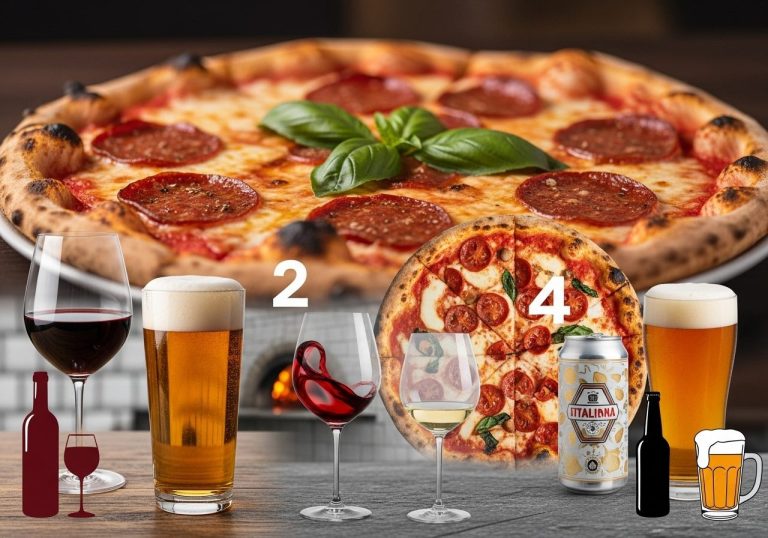
Pizza pairs beautifully with fresh salads (like arugula or mixed greens), Italian wines (Chianti, Pinot Grigio), or cold beer. At Acquerello, we often recommend starting with antipasti, bruschetta, olives, or a selection of Italian cheeses and cured meats, to complement the pizza experience.
Ready to experience authentic Italian pizza perfection?
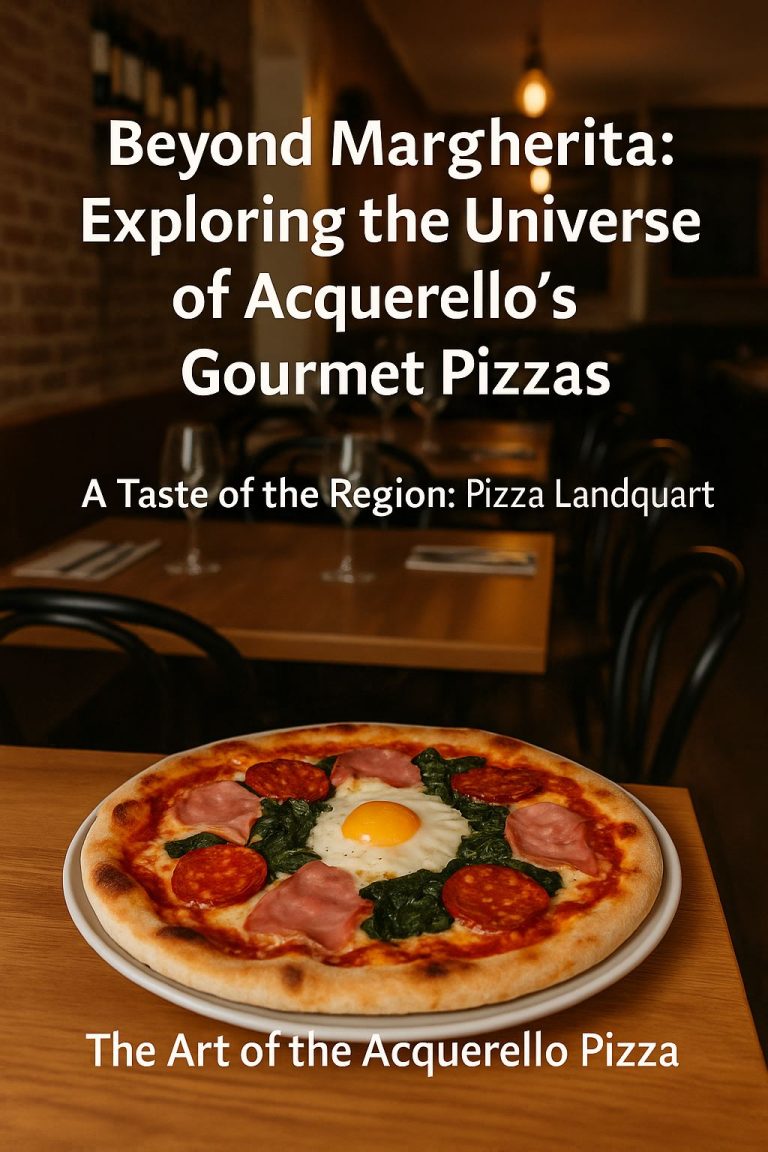
Visit Acquerello Restaurant in Landquart, where our traditional wood-fired oven and expert chefs create unforgettable pizza experiences. Book your table today and taste the difference that passion and authenticity make.