
Pasta is more than just a dish in Italy, it’s a cultural institution, a daily ritual, and an art form perfected over centuries. At Ristorante Acquerello, we honor these traditions by bringing authentic Italian pasta to your table, prepared with the same passion and technique you’d find in the trattorias of Rome, Bologna, and Naples.
Whether you’re curious about the different types of pasta, wondering what makes Italian pasta so special, or seeking to understand the classics that have made Italian cuisine beloved worldwide, this guide answers all your questions about pasta. From the historic streets of Rome to your plate, discover the rich world of Italian pasta culture.
What are some Italian pastas?
Italian pasta comes in hundreds of shapes and varieties, each designed for specific sauces and preparations.
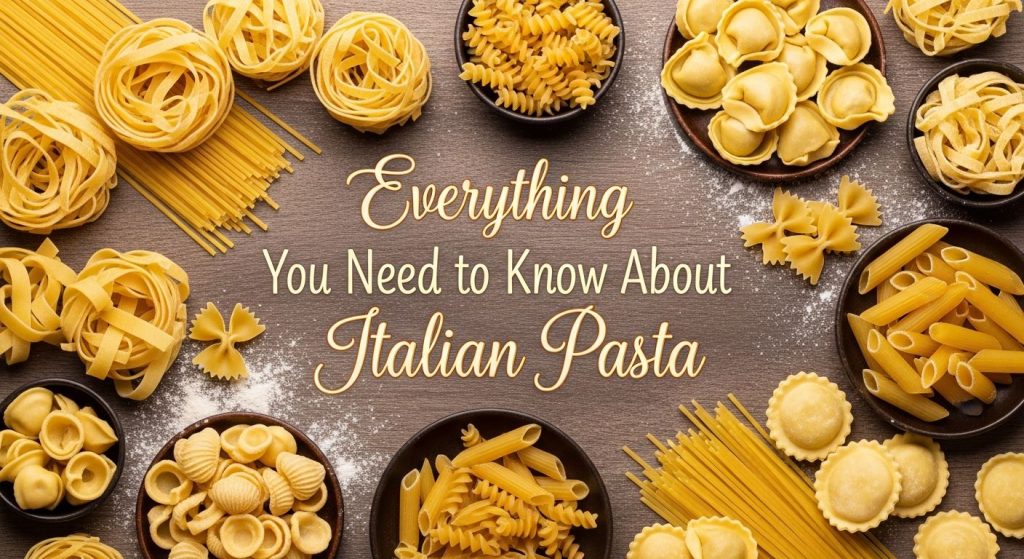
Some of the most beloved include spaghetti (long, thin rounds), penne (tube-shaped with angled cuts), rigatoni (larger tubes with ridges), fettuccine (flat ribbons), farfalle (bow-tie shaped), orecchiette (small ear-shaped pasta from Puglia), pappardelle (wide flat ribbons), tagliatelle (slightly narrower than fettuccine), linguine (flat spaghetti), and bucatini (thick spaghetti with a hole through the center).
Each region of Italy has developed its own pasta shapes based on local ingredients, traditions, and the types of sauces typically used in that area.
What are the top 10 Italian pasta dishes?
The most celebrated Italian pasta dishes include Carbonara (eggs, guanciale, pecorino, black pepper), Cacio e Pepe (pecorino cheese and black pepper), Amatriciana (tomato, guanciale, pecorino), Aglio e Olio (garlic, olive oil, chili), Pasta alla Norma (eggplant, tomato, ricotta salata), Pesto alla Genovese (basil, pine nuts, garlic, Parmigiano, olive oil), Bolognese (slow-cooked meat ragù), Puttanesca (tomatoes, olives, capers, anchovies), Vongole (clams, garlic, white wine), and Lasagna (layered pasta with ragù and béchamel).
Each of these dishes represents a different region and culinary tradition within Italy, showcasing the country’s incredible diversity.
What are the 4 famous Italian pastas?
When Romans speak of their four famous pasta dishes, they’re referring to the classics that define Roman cuisine: Carbonara, Cacio e Pepe, Amatriciana, and Gricia. These dishes share common ingredients—pecorino romano cheese, black pepper, and often guanciale (cured pork cheek)—but each has its own distinct character.
Carbonara adds eggs for creaminess, Cacio e Pepe is the minimalist version with just cheese and pepper, Amatriciana introduces tomatoes, and Gricia is essentially Amatriciana without the tomato. Together, they represent the soul of Roman pasta tradition and demonstrate how simple, quality ingredients can create extraordinary flavors.
What is the holy trinity of Italian pasta?
The holy trinity of Italian pasta refers to three fundamental elements that form the foundation of countless pasta dishes: quality pasta itself, excellent olive oil, and cheese (typically Parmigiano-Reggiano or Pecorino Romano).
Some variations of this concept include garlic, olive oil, and tomatoes as the base trio, or the three techniques of Italian cooking—soffritto (aromatic base), battuto (chopped herbs), and insaporire (building flavor).
In the context of Roman pasta specifically, the trinity consists of guanciale, pecorino romano, and black pepper, which form the backbone of the four classic Roman pasta dishes.
Which pasta is best in Italy?
There’s no single “best” pasta in Italy because different regions passionately defend their local specialties. However, certain pasta dishes have achieved near-universal acclaim. In Rome, Carbonara reigns supreme. In Bologna, tagliatelle al ragù is the pride of the city. Naples champions its spaghetti alle vongole.
Genoa celebrates trofie al pesto. The “best” pasta is often whichever is made with the most care, using quality ingredients, and following traditional techniques. At Ristorante Acquerello, we believe the best pasta is one prepared with respect for tradition, seasonal ingredients, and served at the perfect moment when the pasta and sauce unite harmoniously.
What are the six types of pasta?
Pasta is generally categorized into six main types based on shape and form: long pasta (spaghetti, linguine, bucatini), short pasta (penne, rigatoni, fusilli), sheet pasta (lasagna, pappardelle), stuffed pasta (ravioli, tortellini, agnolotti), minute pasta or pastina (used in soups like stelline or ditalini), and specialty shapes (farfalle, orecchiette, conchiglie).
Within these categories exist hundreds of regional variations, each developed over generations to pair perfectly with local sauces and ingredients. The shape isn’t just aesthetic—it affects how sauce clings to the pasta and influences the eating experience.
What is the most eaten pasta in Italy?
Spaghetti is the most consumed pasta shape in Italy, found in virtually every Italian household and restaurant. Its versatility makes it suitable for countless preparations, from the simplest aglio e olio to more complex seafood dishes. However, consumption varies significantly by region.
In the south, dried durum wheat pasta like spaghetti dominates, while northern regions consume more fresh egg pasta like tagliatelle and tortellini. Penne is another extremely popular shape throughout the country, beloved for its ability to trap sauce inside its tubes and its satisfying texture. The average Italian consumes approximately 23 kilograms of pasta per year, far more than any other nationality.
What’s the most authentic Italian pasta?
Authenticity in Italian pasta depends on adherence to traditional recipes and techniques rather than a specific dish. However, dishes like Spaghetti alla Carbonara, when made correctly with just eggs, guanciale, pecorino romano, and black pepper, represent pure Italian authenticity.
Similarly, Cacio e Pepe, with its deceptively simple two-ingredient sauce, exemplifies authentic Italian cooking—transforming basic ingredients into something sublime through technique. Pasta alla Gricia, often called the ancestor of Carbonara and Amatriciana, is considered one of the most ancient and authentic Roman pasta dishes, dating back to shepherds in the Apennine mountains who carried its simple ingredients with them.
What is the most basic Italian pasta?
The most basic Italian pasta dish is arguably Aglio e Olio (garlic and oil) or Cacio e Pepe (cheese and pepper). Aglio e Olio requires only spaghetti, garlic, olive oil, red pepper flakes, and perhaps parsley—ingredients that every Italian kitchen always has on hand.
Cacio e Pepe is equally minimalist with just pasta, Pecorino Romano cheese, and black pepper, yet it demands perfect technique to create its signature creamy consistency without cream.
These dishes embody the Italian philosophy that great cooking doesn’t require elaborate ingredients or complex preparations, just quality products and proper technique. They’re often called “midnight pasta” because they can be prepared quickly after a late night out.
What pasta is traditional in Rome?
Rome has four traditional pasta dishes that define its culinary identity: Carbonara (spaghetti with guanciale, eggs, pecorino, and black pepper), Cacio e Pepe (pasta with pecorino cheese and black pepper), Amatriciana (bucatini with guanciale, tomato, and pecorino), and Gricia (rigatoni with guanciale, pecorino, and black pepper).
These dishes are so integral to Roman culture that locals debate the proper preparation methods with religious fervor. The common threads are pecorino romano cheese and guanciale, with variations adding eggs, tomatoes, or keeping things minimal.
Romans take pride in their pasta traditions, and authentic preparation means respecting the original recipes without modern additions like cream or garlic.
What was Anthony Bourdain’s favorite pasta in Rome?
Anthony Bourdain famously loved Cacio e Pepe and considered it one of the greatest pasta dishes in the world. He was particularly fond of the version served at Flavio al Velavevodetto in Rome’s Testaccio neighborhood, praising its perfect execution of the seemingly simple but technically demanding dish. Bourdain appreciated how this two-ingredient sauce—pecorino romano and black pepper—could create such depth of flavor when prepared correctly.
He often spoke about the dish’s deceptive simplicity, noting that achieving the creamy, emulsified consistency without the cheese clumping requires skill, timing, and respect for the ingredients. His love for Cacio e Pepe embodied his broader appreciation for honest, traditional cooking done exceptionally well.
What is Italy’s no. 1 brand of pasta?
Barilla is Italy’s number one pasta brand and the world’s largest pasta producer, holding approximately 40-45% of the Italian pasta market. Founded in Parma in 1877, Barilla has become synonymous with quality dried pasta globally.
However, many Italians also swear by other historic brands like De Cecco, known for its rough bronze-die cut pasta that holds sauce beautifully, Rummo, celebrated for its Lenta Lavorazione (slow processing) method, and Garofalo, famous for maintaining traditional production methods.
Regional artisanal producers like Pasta di Gragnano IGP from the Campania region are increasingly valued for their superior quality and traditional drying methods. The best pasta choice often depends on the specific dish being prepared and personal preference.
What are the top 5 pasta dishes?
While tastes vary, five pasta dishes consistently rank among the most beloved worldwide: Spaghetti Carbonara, the Roman classic with its silky egg and guanciale sauce; Pasta alla Bolognese (properly served with tagliatelle, not spaghetti), featuring the rich meat ragù from Bologna; Cacio e Pepe, the minimalist Roman masterpiece of cheese and pepper; Pasta al Pomodoro, the quintessential tomato sauce pasta that showcases the purity of Italian cooking; and Seafood Linguine or Spaghetti alle Vongole, celebrating Italy’s coastal traditions.
These dishes represent different regions and philosophies—from the hearty meat sauces of the north to the lighter, ingredient-focused preparations of the south—yet all share a commitment to quality ingredients and time-honored techniques.
What city in Italy is best for pasta?
This question sparks passionate debate among Italians, as several cities claim pasta supremacy. Rome is celebrated for its four classic pasta dishes and the intensity with which Romans defend their traditional recipes. Bologna is renowned for its fresh egg pasta, particularly tagliatelle al ragù, and claims to be the birthplace of pasta culture in northern Italy.
Naples champions its dried pasta traditions and seafood preparations, particularly spaghetti alle vongole. Genoa is the home of pesto and its perfect pairing with trofie. Gragnano, near Naples, is famous for its IGP-protected pasta production methods. The truth is that each Italian city excels at its own regional pasta traditions, making Italy itself the best place for pasta, with each city offering unique and authentic experiences.
What are the 4 classic Italian pastas?
The four classic Italian pastas, specifically Roman pastas, are Carbonara, Cacio e Pepe, Amatriciana, and Gricia. These dishes share a common foundation of ingredients—pecorino romano cheese, black pepper, and guanciale—but each offers a distinct flavor profile and tradition. Gricia is considered the oldest, a simple combination of guanciale, pecorino, and black pepper.
Carbonara adds eggs to create its signature creamy texture. Amatriciana introduces tomatoes, adding acidity and sweetness. Cacio e Pepe is the most minimalist, containing only cheese and pepper with pasta water to create its sauce. Together, they represent the essence of Roman cooking: maximum flavor from minimal ingredients, executed with precision and respect for tradition.
What does amatriciana mean in Italian?
Amatriciana means “in the style of Amatrice,” referring to the small town of Amatrice in the Lazio region, located in the Apennine Mountains between Rome and the Abruzzo border. The dish’s name honors its place of origin, where shepherds originally created this pasta using ingredients they could carry with them: guanciale (cured pork cheek), pecorino cheese, and later, tomatoes when they arrived in Italy from the Americas.
The traditional recipe, which has been codified and protected, calls for guanciale, pecorino romano, tomato, white wine, and black pepper, typically served with bucatini or rigatoni. The town of Amatrice was tragically struck by a devastating earthquake in 2016, and restaurants worldwide subsequently served Amatriciana with proceeds going to reconstruction efforts, demonstrating how deeply this dish is tied to its community and culture.
Which pasta is the healthiest?
Whole wheat pasta is generally considered the healthiest option due to its higher fiber content, increased vitamins and minerals, and lower glycemic index compared to refined pasta. It contains approximately three times the fiber of regular pasta, which aids digestion and helps you feel fuller longer.
However, traditional Italian durum wheat pasta, particularly high-quality bronze-die cut varieties, is also nutritious and contains protein, B vitamins, and iron. Fresh pasta made with eggs provides additional protein.
The healthiness of pasta also depends greatly on portion size, sauce choice, and what you pair it with—a moderate serving of pasta with vegetables, lean protein, and a tomato-based sauce is part of the healthy Mediterranean diet. Italians traditionally eat pasta as a first course in smaller portions, followed by protein and vegetables, which contributes to balanced nutrition.
What is a small rigatoni called?
Small rigatoni is called rigatoncini or mezzi rigatoni (half rigatoni). These shorter versions maintain the characteristic ridges and tube shape of rigatoni but in a more compact form. Another similar small tubular pasta is pennette, which is like penne but smaller.
The size variations exist because different pasta shapes pair better with different sauces—smaller shapes work well in baked dishes, soups, or with lighter sauces, while full-sized rigatoni is ideal for heartier, chunkier sauces that can nestle inside the tubes and cling to the ridges.
The ridges (righe) that give rigatoni its name are functional, not decorative, helping sauce adhere to the pasta for maximum flavor in every bite.
What are thick noodles called?
Thick Italian noodles go by various names depending on their specific shape and regional origin. Pappardelle are wide, flat ribbons typically 2-3 centimeters wide, traditional in Tuscany and often served with rich meat ragùs like wild boar or duck.
Tagliatelle are slightly narrower egg noodles, about 6-10 millimeters wide, famous in Bologna where they’re paired with ragù bolognese. Bucatini are thick, spaghetti-like strands with a hollow center, popular in Roman dishes like Amatriciana. Linguine are flattened thick noodles, wider than spaghetti but not as wide as fettuccine. Mafaldine (or reginette) are long, flat noodles with ruffled edges.
The thickness and width of pasta shapes have evolved to complement specific sauces—wider, thicker noodles stand up to robust, meaty sauces, while thinner varieties pair with lighter, oil-based preparations.
Which pasta is Rome famous for?
Rome is famous for its four iconic pasta dishes: Carbonara, Cacio e Pepe, Amatriciana, and Gricia. These preparations define Roman cuisine and showcase the city’s approach to cooking—using few, high-quality ingredients to create dishes of extraordinary depth and flavor. Carbonara, with its creamy egg and guanciale sauce, is perhaps the most internationally recognized.
Cacio e Pepe represents minimalist perfection with just cheese and pepper. Amatriciana, originally from nearby Amatrice but adopted as quintessentially Roman, features tomato and guanciale.
Gricia is the purist’s choice, often called the “white Amatriciana,” containing only guanciale, pecorino, and black pepper. Romans are fiercely protective of these recipes, and any deviation from traditional preparation methods can spark heated debate in the city’s trattorias and homes.
How do you identify high quality pasta?
High-quality pasta reveals itself through several characteristics. First, look for pasta made with 100% durum wheat semolina, which provides superior texture and taste. Bronze-die cut pasta (trafilata al bronzo) has a rough, porous surface that holds sauce beautifully, unlike the smooth, shiny surface of Teflon-die pasta.
The pasta should have a slightly rough, matte appearance and may appear lighter in color. When you break it, quality pasta should snap cleanly rather than bending. During cooking, it should maintain its shape without becoming mushy, and the cooking water should remain relatively clear rather than becoming cloudy with starch.
After cooking, the pasta should be firm to the bite (al dente) with no raw flour taste. Quality pasta also often comes from specific regions like Gragnano, carries IGP or DOP certifications, and uses slow-drying methods (essiccazione lenta) that preserve the wheat’s nutritional properties and flavor.
What are the 4 main pastas in Italy?
The four main pastas in Italy typically refer to the four classic Roman preparations: Carbonara, Cacio e Pepe, Amatriciana, and Gricia. These dishes are fundamental to Roman culinary tradition and demonstrate how variations on a theme—pecorino romano, black pepper, and guanciale—can create distinctly different flavor experiences.
However, if considering pasta shapes rather than dishes, the four most important categories would be long pasta (like spaghetti), short pasta (like penne), fresh pasta (like tagliatelle), and filled pasta (like ravioli). Each category serves different culinary purposes and pairs with different types of sauces.
The beauty of Italian pasta culture lies in its regional diversity, with each area of Italy having developed its own essential pasta shapes and preparations based on local ingredients and traditions.
What is the oldest Italian pasta dish?
Determining the absolute oldest Italian pasta dish is challenging due to pasta’s ancient and disputed origins, but Pasta e Ceci (pasta with chickpeas) and Pasta e Fagioli (pasta with beans) are among the oldest documented preparations, with roots in ancient Roman cooking. Lagane e Ceci, from ancient Rome, combined flat pasta strips with chickpeas, a dish that still exists in similar form today.
Among the iconic dishes still widely prepared, Pasta alla Gricia may be the oldest of Rome’s four classic pastas, predating even Amatriciana. Created by shepherds in the mountains of Lazio, Gricia utilized ingredients that kept well during long periods away from home: guanciale, pecorino cheese, and black pepper.
When tomatoes arrived in Italy from the Americas in the 16th century, Gricia evolved into Amatriciana. These ancient preparations demonstrate how necessity and available ingredients shaped Italian culinary traditions that endure today.
What is white pasta called in Italian?
“White pasta” can refer to several things in Italian cuisine. Pasta bianca simply means plain pasta with butter or olive oil, often served to children or when someone isn’t feeling well. Pasta in bianco refers to pasta without tomato sauce, instead dressed with butter, cheese, or oil-based sauces—essentially any non-red sauce preparation.
The classic Roman dish Gricia is sometimes called “Amatriciana in bianco” (white Amatriciana) because it contains the same ingredients as Amatriciana minus the tomatoes. If referring to the pasta itself, regular pasta made with just durum wheat and water appears off-white or golden, while pasta fresca all’uovo (fresh egg pasta) has a yellowish color from the eggs.
In contrast, pasta integrale (whole wheat pasta) is brown, and some specialty pastas incorporate vegetables for color, like green spinach pasta or black squid ink pasta.
How to tell if pasta is high quality?
You can identify high-quality pasta through several indicators even before cooking. Examine the surface texture—premium pasta cut with bronze dies has a rough, matte finish that appears slightly pale and will grip sauce effectively.
The color should be uniform throughout with no white spots or discoloration. When you break a piece, it should snap cleanly and show a glassy interior. Check the ingredients list—it should contain only durum wheat semolina and water (or eggs for fresh pasta) with no additives. Look for Protected Designation of Origin labels like Pasta di Gragnano IGP. During cooking, quality pasta releases minimal starch into the water, which stays relatively clear.
The pasta should cook evenly and maintain its shape without becoming mushy, achieving a firm al dente texture. After cooking, quality pasta has a pleasant wheat flavor, not a bland or raw flour taste. Premium pasta typically comes from producers who use slow drying methods, which preserve nutrients and create superior texture.
Which pasta do Italians love the most?
While preferences vary by region, spaghetti and penne are the most universally loved pasta shapes throughout Italy. Spaghetti’s versatility makes it suitable for everything from simple garlic and oil to complex seafood preparations, and it’s the foundation for many iconic dishes like Carbonara, Amatriciana, and Vongole.
In northern Italy, particularly in Emilia-Romagna, fresh egg pasta like tagliatelle, tortellini, and lasagna reign supreme. Romans are passionate about their four classic pasta dishes, particularly Carbonara and Cacio e Pepe. In the south, orecchiette is beloved in Puglia, trofie is cherished in Liguria with pesto, and Neapolitans adore their spaghetti alle vongole.
Beyond specific shapes, Italians are most passionate about pasta prepared correctly—cooked al dente, sauced properly, and respecting traditional recipes. The love isn’t just for a particular pasta but for the ritual of pasta-making and eating that brings families together daily.
What is the national sauce of Italy?
Italy doesn’t have a single national sauce because regional diversity is fundamental to Italian cuisine. However, if forced to choose, Ragù alla Bolognese from Bologna might be the closest to a national treasure, recognized worldwide and protected by an official recipe registered with the Bologna Chamber of Commerce.
This slow-cooked meat sauce represents northern Italian cooking traditions. In contrast, simple Pomodoro sauce (tomato sauce) represents southern Italian cuisine and is perhaps the most universally used sauce throughout the country. Pesto alla Genovese from Genoa is another contender, with its distinctive basil, pine nuts, garlic, olive oil, and Parmigiano-Reggiano combination.
However, the beauty of Italian cuisine lies in its regionalism—each area has its own celebrated sauces, from Roman Carbonara and Amatriciana to Sicilian almond pesto or Neapolitan ragù. This diversity, rather than uniformity, defines Italian culinary identity.
What pasta should I order in Rome?
When dining in Rome, you absolutely must try one (or all) of the four classic Roman pastas: Carbonara, Cacio e Pepe, Amatriciana, and Gricia. For your first Roman pasta experience, Carbonara is iconic—silky, rich, and perfectly represents Roman culinary philosophy.
If you want something more minimalist that showcases pure technique, order Cacio e Pepe, though be aware it’s temperamental and varies greatly by restaurant. Amatriciana offers a beautiful balance of sweet tomato, savory guanciale, and sharp pecorino. For the purist experience, try Gricia, which predates the other dishes and contains only guanciale, pecorino, and black pepper.
Beyond these four, Rigatoni con la Pajata (with veal intestines) is a traditional Roman specialty for the adventurous. Whatever you choose, ensure you’re dining at a traditional Roman trattoria where these dishes are prepared authentically, and never—never—order pasta with cream sauce or ask for Alfredo, which doesn’t exist in traditional Italian cuisine.
What is the golden rule for pasta?
The golden rule for pasta is to always cook it al dente, meaning “to the tooth”—firm with a slight bite in the center. This typically means cooking pasta for one to two minutes less than the package directions suggest, though the exact timing varies by pasta type and thickness.
Al dente pasta not only tastes better and has superior texture, but it also has a lower glycemic index, making it healthier.
Beyond doneness, several other crucial rules govern pasta preparation: always use abundant, well-salted boiling water (about 1 liter of water and 10 grams of salt per 100 grams of pasta); never add oil to the cooking water as it prevents sauce from adhering; always save pasta cooking water to help create silky sauces; never rinse cooked pasta unless making a cold pasta salad; and always toss pasta with sauce in the pan over heat for a minute or two, rather than simply pouring sauce over the pasta.
These principles ensure your pasta achieves the perfect texture and flavor that Italians expect.
What is the best store-bought pasta?
Among mass-market brands, De Cecco and Rummo are widely considered superior choices for store-bought dried pasta. De Cecco uses bronze dies and high-quality durum wheat, creating pasta with a rough texture that holds sauce beautifully.
Rummo’s Lenta Lavorazione method involves slow processing that enhances flavor and cooking performance. Barilla, while more mainstream, offers consistent quality and is trusted by many Italian households.
For premium options, seek out Pasta di Gragnano IGP brands like Pastificio dei Campi, Faella, or Setaro, which follow traditional production methods including bronze-die cutting and slow drying for up to 48 hours. These artisanal pastas cost more but deliver exceptional taste and texture.
Garofalo is another excellent choice, particularly their specialty shapes. For fresh pasta, Rana and Buitoni offer decent quality for supermarket brands, though truly exceptional fresh pasta is best made at home or purchased from specialty Italian shops.
What is the most delicious Italian pasta?
The most delicious Italian pasta is subjective and depends on personal preference, the season, and the quality of execution. However, certain dishes consistently rank among the most beloved: Carbonara captivates with its luxurious, silky texture and perfect balance of egg, cheese, and guanciale.
Cacio e Pepe, when made correctly, delivers an incomparably creamy, peppery experience from just two ingredients. Pasta alla Norma showcases summer’s best with fried eggplant, tomato, and ricotta salata. Pappardelle al Cinghiale (wide pasta with wild boar ragù) offers rich, gamey depth perfect for cooler weather.
Fresh seafood pasta like Linguine alle Vongole brings the taste of the sea to your plate. Ultimately, the most delicious pasta is one made with quality ingredients, proper technique, and served at the right moment—when the pasta is perfectly al dente and has just absorbed the sauce. At Ristorante Acquerello, we believe every pasta dish should be this delicious experience.
Why does pasta in Italy not bloat you?
Many people notice they feel less bloated eating pasta in Italy compared to pasta elsewhere, and several factors explain this phenomenon. Italian pasta, particularly quality brands, is made with carefully selected durum wheat and processed differently than much commercial pasta abroad. The higher-quality protein structure in durum wheat creates pasta that’s easier to digest.
Bronze-die cutting and slow drying preserve the wheat’s natural properties and create a more digestible product. Italians also cook pasta properly al dente, which has a lower glycemic index and is easier on digestion than overcooked, mushy pasta. Portion sizes matter too—in Italy, pasta is typically served as a primo (first course) in moderate portions of 80-100 grams, not as a main course with huge servings.
Italians pair pasta with simple, fresh sauces rather than heavy cream-based preparations, and they eat pasta as part of a balanced meal with vegetables and protein. Finally, European wheat is generally not treated with glyphosate at harvest, unlike wheat in some other countries, which may affect how people process it.
What cheese is used in alla gricia?
Pecorino Romano is the traditional and only cheese used in authentic Pasta alla Gricia. This hard, salty sheep’s milk cheese is fundamental to Roman cuisine and appears in all four classic Roman pasta dishes. Pecorino Romano has a sharp, tangy flavor that perfectly balances the richness of the guanciale and stands up to the heat of black pepper.
The cheese’s granular texture allows it to melt into a creamy sauce when combined with hot pasta and starchy cooking water. While Parmigiano-Reggiano is used in many Italian dishes, it is not traditional in Gricia or any of the four Roman classics—using it would be considered incorrect by Roman standards.
The specific saltiness and flavor profile of Pecorino Romano are essential to achieving the authentic taste of Gricia. Quality matters significantly; look for authentic Pecorino Romano DOP, which must be produced in specific regions of Lazio, Sardinia, and parts of Tuscany according to traditional methods.
Why is alfredo not popular in Italy?
Fettuccine Alfredo as known internationally—pasta with heavy cream, butter, and Parmigiano-Reggiano—is not actually a traditional Italian dish and is virtually unknown in Italy outside of tourist restaurants.
The original dish, created by Alfredo di Lelio in Rome in the early 1900s, contained only butter and Parmigiano-Reggiano (no cream), and was essentially a richer version of pasta al burro, typically made for children or the ill. It gained fame when Hollywood celebrities ate at Alfredo’s restaurant and brought the idea back to America, where it evolved into the cream-heavy version now common worldwide.
Italians generally don’t use heavy cream in pasta sauces the way American adaptations do—Italian cooking emphasizes letting quality ingredients shine rather than masking them with heavy dairy. The creamy consistency in Italian pasta sauces comes from pasta cooking water and cheese emulsification, not added cream.
When Italians want simple, buttery pasta, they make pasta al burro, and when they want something richer, they turn to Carbonara, which achieves creaminess through eggs and pasta water, not cream.
What do Italians call pasta sauce?
Italians rarely use the generic term “pasta sauce.” Instead, they refer to sauces by their specific names: ragù (meat sauce), sugo (typically tomato-based sauce), pesto (basil sauce or other pounded/ground sauces), salsa (smooth, blended sauce), or condimento (seasoning/dressing for pasta).
The term salsa is less common for pasta and more often used for table condiments, while sugo is frequently used for tomato-based preparations. For instance, Italians would say “sugo al pomodoro” (tomato sauce) or “ragù alla bolognese” rather than just “pasta sauce.”
The specificity reflects the importance of each sauce’s distinct identity and preparation method. Importantly, sauce isn’t seen as separate from the pasta but as an integral component of the dish—pasta isn’t topped with sauce, but rather pasta and sauce are married together (sposare) through the final tossing and cooking.
This linguistic and culinary distinction reflects a fundamentally different relationship with pasta and sauce than in many other cultures.
What is thin spaghetti called in Italy?
Thin spaghetti is called spaghettini or angel hair pasta is called capellini (little hairs) or capelli d’angelo (angel hair). Spaghettini is slightly thinner than standard spaghetti but thicker than capellini. The thinnest pasta of this type is called capelli d’angelo or fidelini, which are extremely delicate and cook in just 2-3 minutes.
These thin pasta varieties work best with light, delicate sauces—oil-based preparations, light tomato sauces, or seafood—because thicker, heavier sauces would overwhelm the delicate strands. In Italian cooking, the thickness of pasta is intentionally matched to the weight and texture of the sauce.
Standard spaghetti has a diameter of about 2 millimeters, spaghettini around 1.6 millimeters, and capellini approximately 1 millimeter or less. The choice between these isn’t arbitrary but reflects the Italian principle that every element of a dish should be in proper proportion and balance.
Do Italians eat the most pasta?
Yes, Italians consume more pasta per capita than any other nation in the world, eating approximately 23 kilograms per person annually. This is significantly more than the global average and more than double the consumption in most other countries.
Tunisia comes in second place, followed by Venezuela, though neither approaches Italy’s consumption levels. This high consumption reflects pasta’s central role in Italian cuisine and culture—it’s not just a food but a daily ritual and cultural practice.
Most Italian families eat pasta at least once daily, typically for lunch (pranzo), which is traditionally the main meal of the day. However, Italian pasta consumption is part of the Mediterranean diet, served in moderate portions as a first course followed by protein and vegetables, rather than as a large standalone meal.
This eating pattern, combined with quality ingredients and traditional preparation methods, helps explain the apparent paradox of high pasta consumption alongside Italy’s relatively low obesity rates compared to other developed nations.
Experience Authentic Italian Pasta at Ristorante Acquerello
Now that you’ve discovered the rich traditions and techniques behind Italian pasta, why not taste the difference for yourself? At Ristorante Acquerello, we bring the authentic flavors of Italy to Switzerland, preparing each pasta dish with the same care, quality ingredients, and respect for tradition you’d find in Rome, Bologna, or Naples.
Whether you’re craving a classic Carbonara, a perfectly executed Cacio e Pepe, or seasonal fresh pasta dishes, our kitchen honors the techniques and recipes that have been perfected over generations. Book your table today and let us share our passion for authentic Italian pasta with you.
Contact us or call to reserve your table. Buon appetito!